Software Comparisons
Explore in-depth technical guides, machine troubleshooting, benchmarks, and engineering reviews for Software Comparisons at The Industrial Maker.
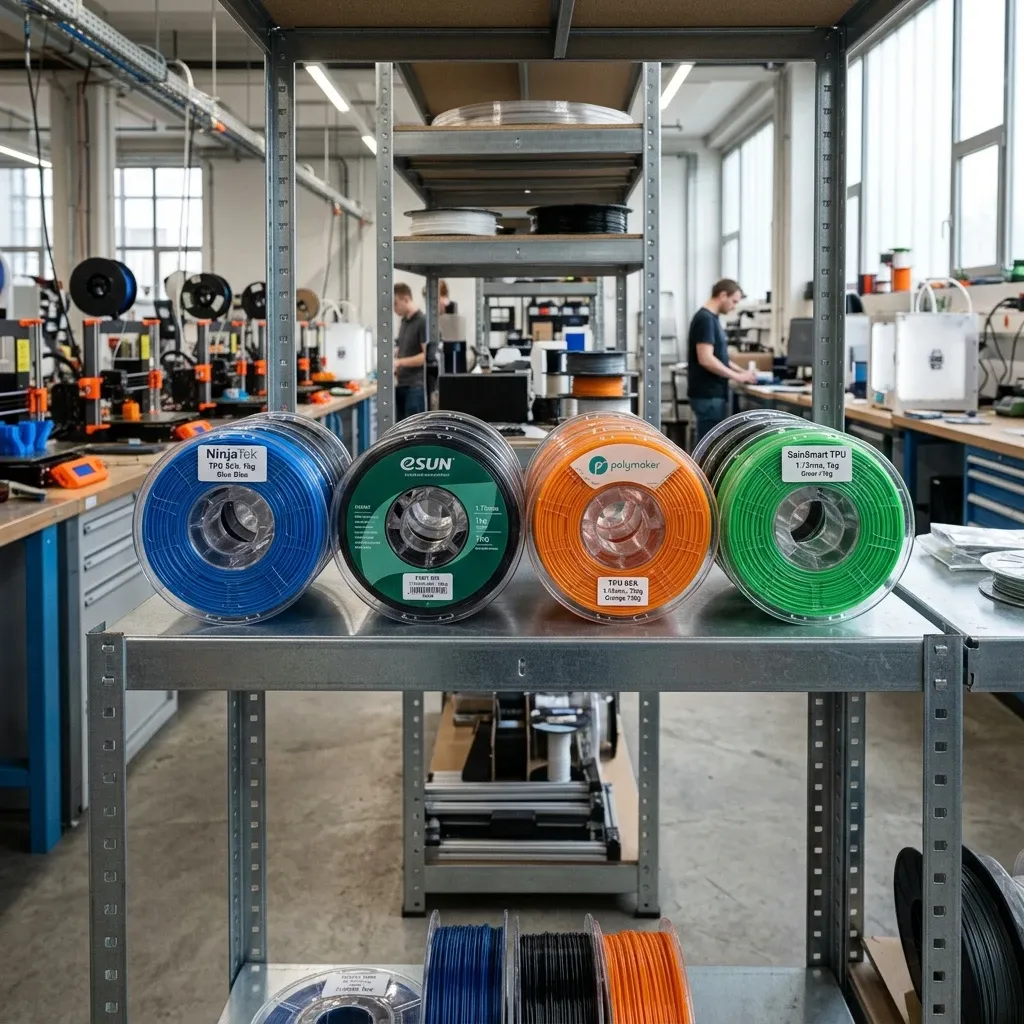
Slicing MatterHackers MH Build Series TPU: Slicer Engine Review
Benchmark OrcaSlicer, PrusaSlicer, and Ultimaker Cura when depositing MatterHackers MH Build Series TPU 95A, analyzing volumetric limits and Euler drive buckling.
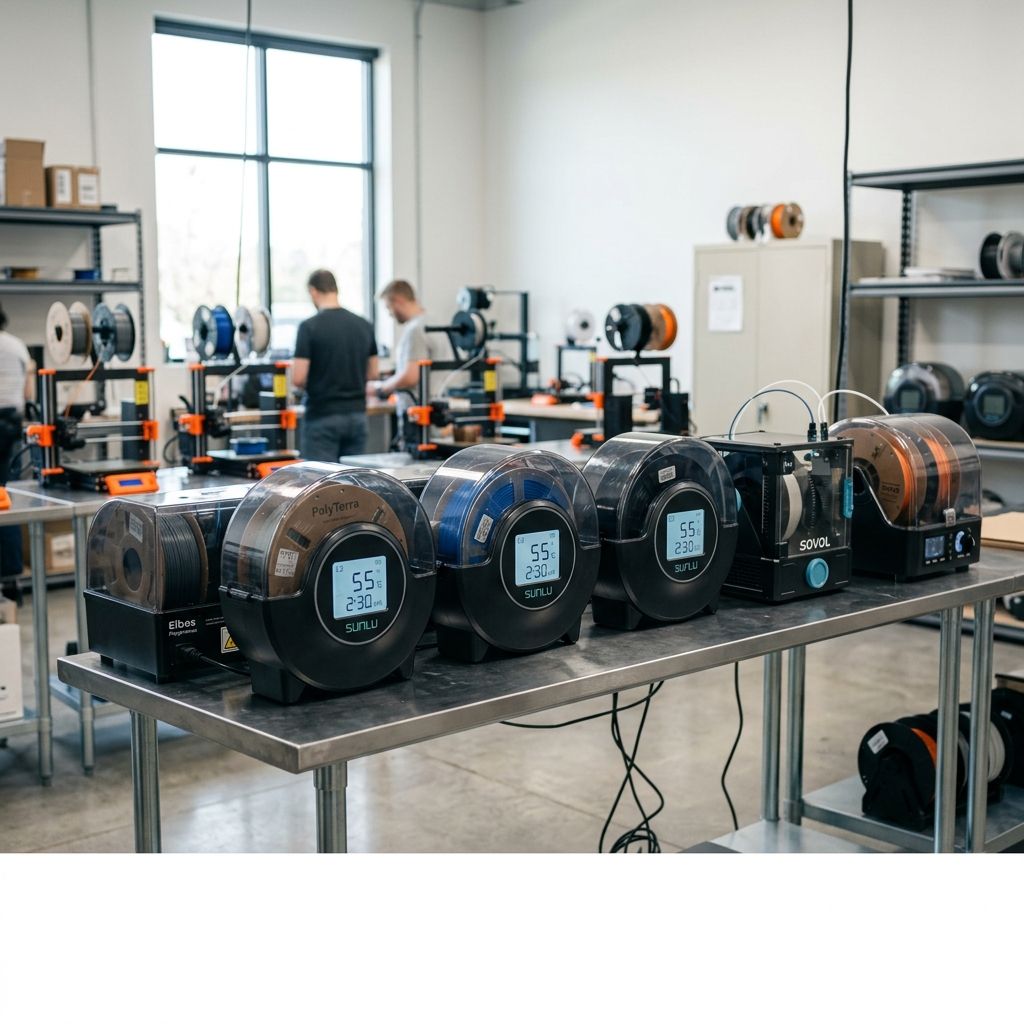
Polymaker PolyBox II Moisture Control and Shop Specs
The Polymaker PolyBox II maintains sub-15% RH for engineering filaments using passive desiccant trays, ball-bearing rollers, and rubber grommets to prevent moisture uptake.
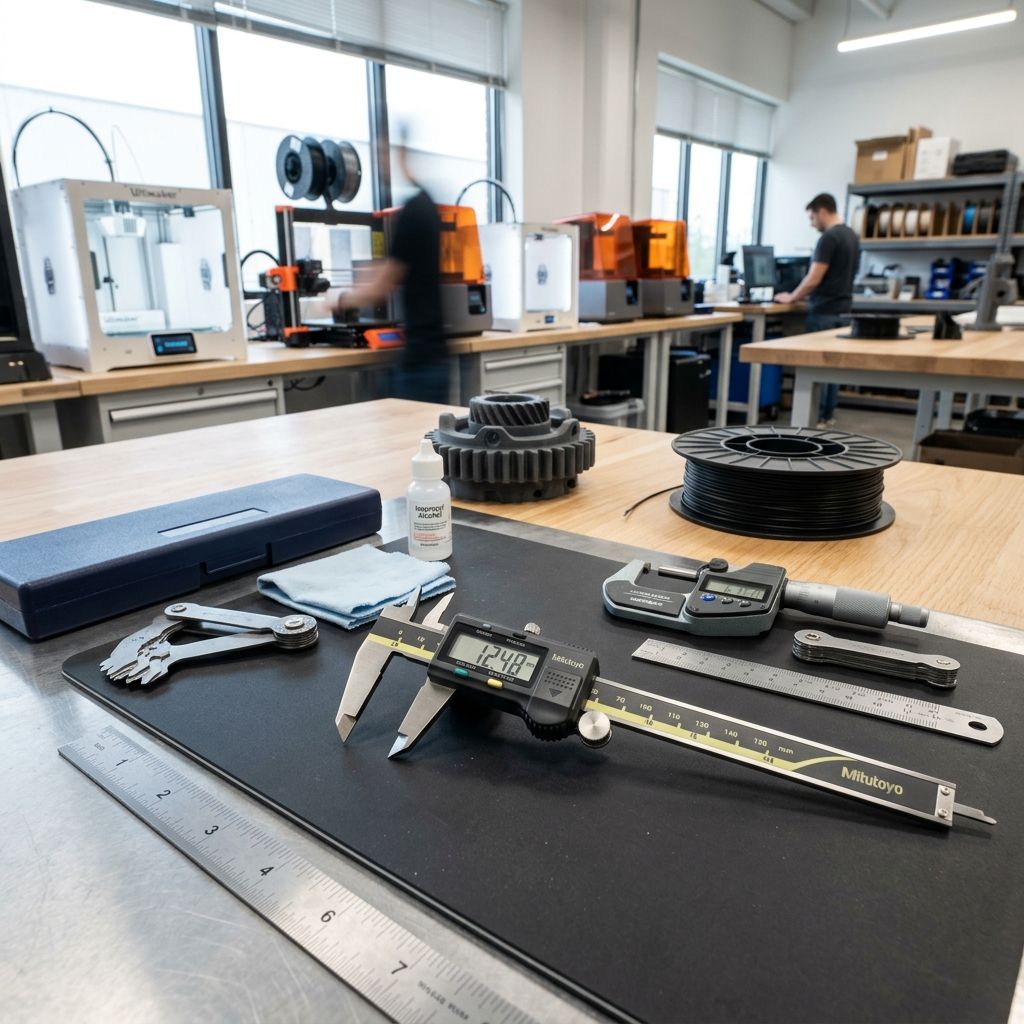
IGaging OriginCal Caliper: Material Science and Accuracy
The IGaging OriginCal uses an absolute capacitive encoder to eliminate re-zeroing, but its soft 304 stainless jaws burr easily and thermal drift (0.035mm over 20°C) exceeds Mitutoyo's. Suitable for light shop use, not precision or coolant environments.
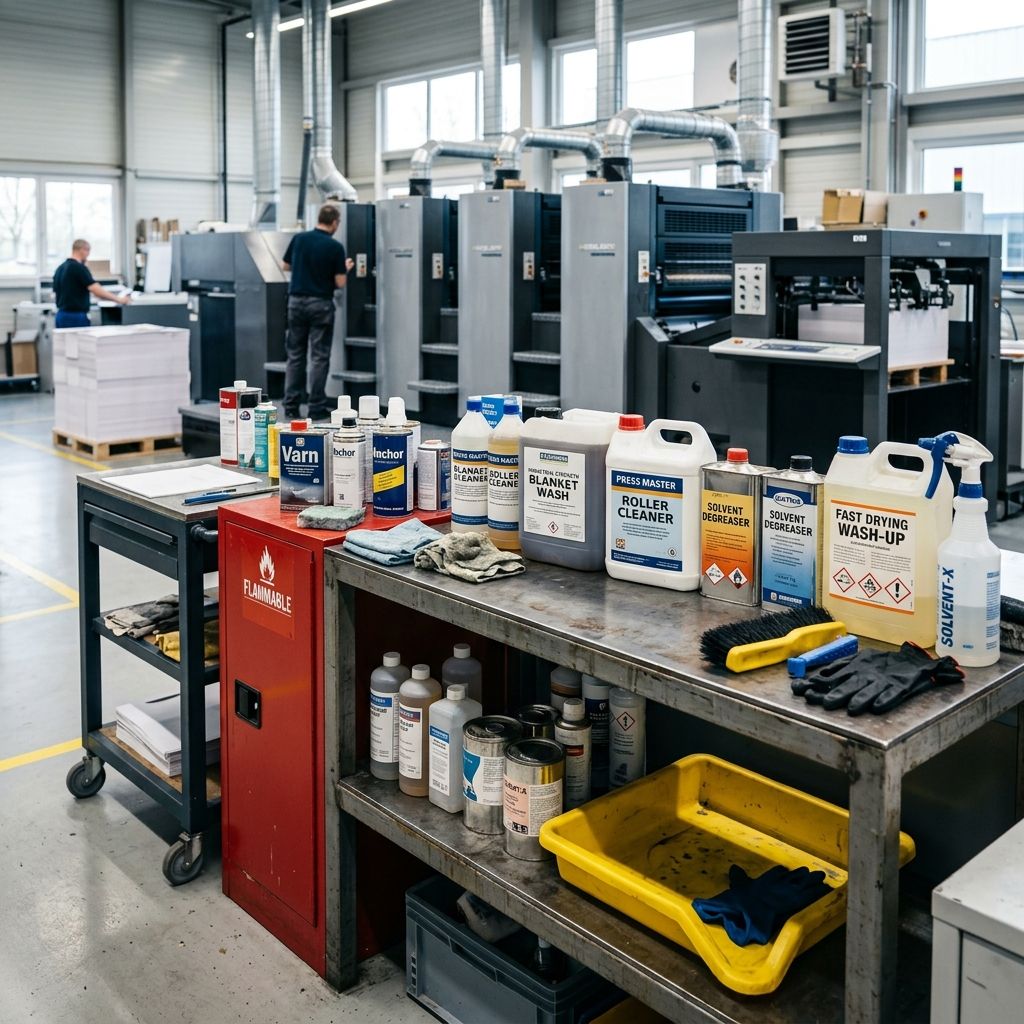
Anycubic Resin Wash Station: Settings and Material Science
Optimize your Anycubic wash station by adjusting cycle time based on part geometry using the formula t_wash = (r²/2D) × (1 + 10/Re^0.5). Add an external PID controller to stabilize IPA temperature and avoid overwashing thin shells.
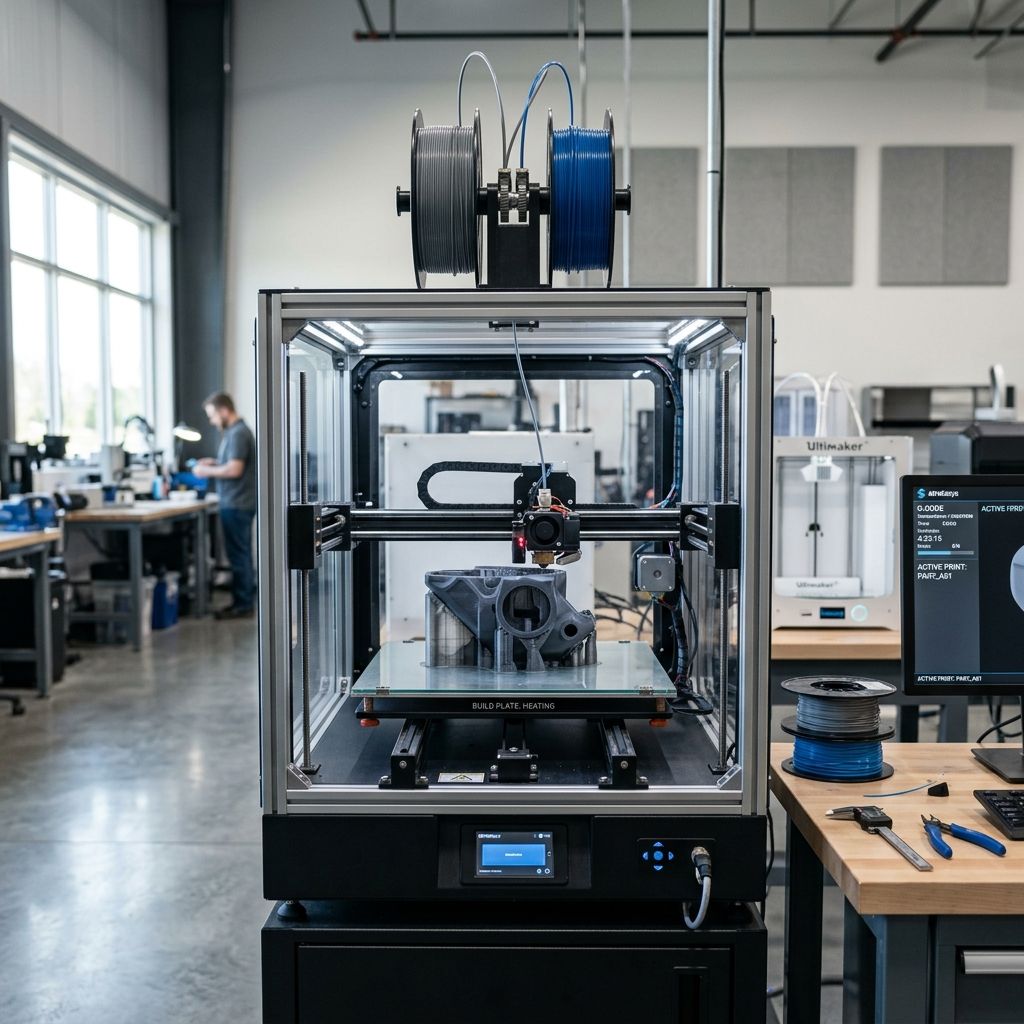
Ender 3 V3 SE, KE & CoreXZ: Material and Software Limits
The V3 SE and KE are limited to ~240°C due to PTFE hotends. The CoreXZ's full-metal hotend reaches 300°C, supporting PC, Nylon, and carbon fiber. Software tuning on KE helps but doesn't override material limits.
Prusa MK4S vs MK4: Material Science Differences
Comparing the Prusa MK4S and MK4 from a polymer physics perspective. Covers all-metal hotend vs PTFE, extruder gear wear, thermal management, and real-world failure modes for materials like PETG and TPU.
X1-Carbon for Engineering Materials: What Actually Works
After hundreds of hours printing engineering plastics on the X1-Carbon, I share what actually works: chamber soak times, PTFE tube replacement intervals, and why the stock hotend struggles with PEEK. No marketing fluff.